
Moving your QuickBooks software to a new computer might seem like a daunting task, but with the right guidance, it can be a smooth process. Whether you’re upgrading your system or switching devices, knowing how to move QuickBooks to a new computer is essential to ensure your financial data remains intact. In this article, we will provide a detailed, step-by-step guide to help you transfer QuickBooks safely, troubleshoot common errors, and avoid potential pitfalls. For personalized assistance, you can call +1-866-500-0076 anytime during the process.
Easily move QuickBooks to a new computer with our step-by-step guide. Call +1-866-500-0076 for support and expert tips today.
Why You Might Need to Move QuickBooks
There are several reasons why businesses decide to move QuickBooks to a new computer:
Hardware upgrade: Your current system may be slow or outdated.
Operating system change: Switching from an older OS to a newer version.
Performance issues: To improve efficiency and reduce system errors.
Centralized data access: Making sure your accounting files are accessible on the latest devices.
Regardless of the reason, the steps to move QuickBooks remain consistent. You must ensure the software version on the new computer is compatible and that all company files are safely transferred.
Prerequisites Before Moving QuickBooks
Before beginning the migration process, prepare the following:
QuickBooks Installation File or Disc: Make sure you have the installer for your version of QuickBooks.
Product and License Information: This is essential for activating QuickBooks on the new computer.
Backup of Company Files: Always create a backup of your QuickBooks company file (.QBW).
Network Setup: If you use QuickBooks in multi-user mode, ensure network connectivity.
Admin Access: You’ll need administrator privileges to install software and configure settings.
Taking these precautions minimizes the risk of data loss and ensures a smooth transfer.
Step-by-Step Process to Move QuickBooks to a New Computer
Step 1: Install QuickBooks on the New Computer
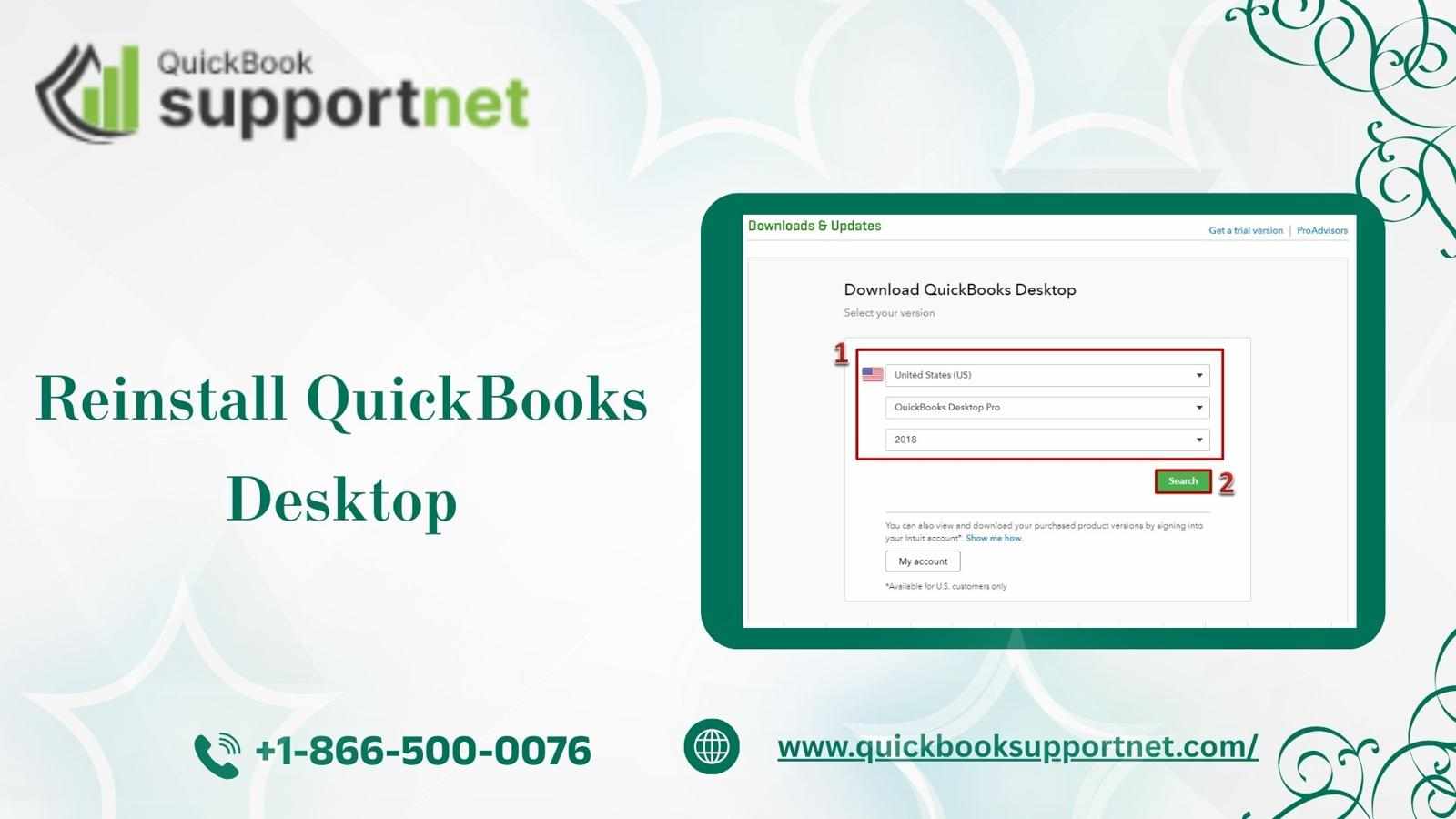
Insert the QuickBooks installation disc or download the installer from the official QuickBooks website.
Run the setup and follow the on-screen instructions.
Enter your license and product numbers when prompted.
Choose Custom and Network Options if you plan to set up multi-user mode.
Tip: Call +1-866-500-0076 if you face installation issues. QuickBooks experts can guide you instantly.
Step 2: Backup Your Company File
On your old computer:
Open QuickBooks and select File > Back Up Company > Create Local Backup.
Choose Local Backup and click Next.
Select a location for the backup file (external drive recommended).
Complete the backup process and safely transfer the backup file to your new computer.
Having a backup ensures that even if something goes wrong, your financial data is protected.
While moving QuickBooks, users may encounter issues such as installation failures or file access problems. One common error is QuickBooks Error H202, which occurs when QuickBooks cannot connect to the company file in multi-user mode.
Step 3: Restore Company File on the New Computer
Open QuickBooks on the new computer.
Navigate to File > Open or Restore Company > Restore a Backup Copy.
Choose Local Backup and browse to the backup file you transferred.
Follow the prompts to restore your company file.
Your company file will now be available on the new computer, and you can continue your work seamlessly.
Step 4: Update QuickBooks and System Settings
After installation and restoration:
Go to Help > Update QuickBooks Desktop to ensure you have the latest updates.
Configure firewall settings to allow QuickBooks access.
Reconfigure any printer or email settings used for invoicing.
Updating QuickBooks ensures you have the latest features and security patches.
Step 5: Multi-User Setup (Optional)
If your business uses QuickBooks in multi-user mode:
Ensure the new computer is connected to the network.
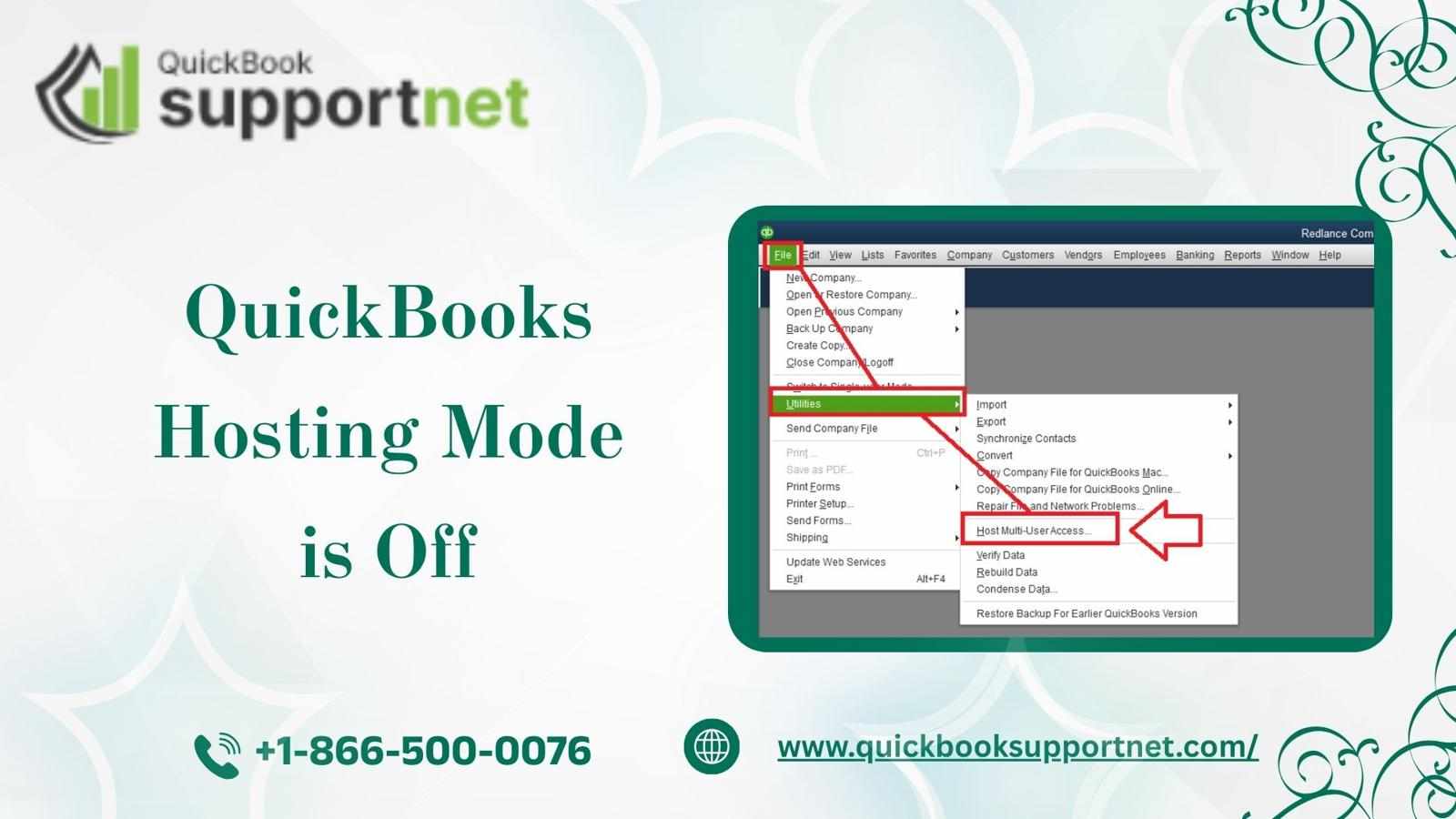
Open QuickBooks Database Server Manager on the host computer.
Scan the folder containing your company files.
Open QuickBooks on the new computer and switch to Multi-User Mode.
This setup allows multiple users to access QuickBooks files simultaneously without errors.
Tips for a Smooth Transition
Test Your Files: After restoration, open multiple reports to verify data accuracy.
Keep Old Computer Backup: Retain the old system backup for a few weeks.
Regular Updates: Keep QuickBooks updated on the new computer to prevent glitches.
Professional Help: If unsure about migration, reach out to QuickBooks support.
Conclusion
Moving QuickBooks to a new computer doesn’t have to be stressful. By carefully following the steps outlined above, you can transfer your software and company files securely, avoiding common pitfalls. Always create a backup before beginning, ensure compatibility, and update QuickBooks to the latest version. For any technical assistance or troubleshooting, call +1-866-500-0076 for expert support.
Read Also: Mastering QuickBooks Desktop: Writing Off Bad Debt Efficiently















Write a comment ...